Louis Vuitton Real vs Fake: 7 Signs You Can’t Miss
The Hidden Dangers of Luxury Imitations: Why Authenticity Can’t Wait in 2026
In luxury fashion hubs like Miami, where designer handbags are as much a part of the culture as the海岸line, counterfeit Louis Vuitton pieces are flooding both online marketplaces and back-alley boutiques. With fake bags now mimicking real ones down to micro-stitching and serial-number placement, even seasoned shoppers are getting fooled. The problem isn’t just aesthetic—it’s financial. A counterfeit bag may look convincing at first glance, but it lacks the craftsmanship, materials, and longevity that define true luxury. Worse, once discovered, it holds zero resale value and can’t be authenticated by reputable platforms or consignment stores.
In 2026, spotting a fake Louis Vuitton bag isn’t just for collectors—it’s a necessity for anyone investing in high-end accessories. Real pieces are constructed with precise hand-stitching, specific canvas weave density, and hardware forged from custom alloys, all consistent with decades of atelier tradition. Fakes, no matter how advanced, often fail under close inspection: uneven seams, off-center logos, or lightweight zippers give them away.
This guide will walk you through seven undeniable signs that separate authentic Louis Vuitton bags from counterfeits. From font alignment to vachetta leather aging patterns, you’ll learn exactly what to check—whether you’re browsing in a Miami showroom or scrolling through a listing online. Stay sharp, stay informed, and protect your investment with confidence.
Feel the Difference: Why Authentic Luxury Bags Use Superior Materials
When it comes to spotting the difference between real and fake luxury handbags, the materials used are often the most revealing clue. Genuine Louis Vuitton pieces are crafted using high-grade, long-lasting materials designed to age gracefully and maintain structural integrity over time. Two standout components—Vachetta leather and durable coated canvas—are hallmarks of authenticity and signal a commitment to quality that counterfeit bags simply cannot match.
Authentic Vachetta leather, used for handles, trim, and straps, is made from natural, full-grain cowhide and develops a rich honey patina over time when exposed to sunlight and natural oils. This aging process is a badge of honor for true collectors. In contrast, fake versions use low-grade synthetic leather or painted vinyl that cracks, fades, or remains unnaturally light.
Louis Vuitton’s signature coated canvas is another telltale identifier. It’s water-resistant, tightly woven, and structured to hold its shape without sagging. Counterfeit bags often use flimsy, plastic-feeling fabric that wrinkles easily and lacks the rigid, premium hand feel.
To verify authenticity:
- Run your fingers across the bag—real canvas feels substantial, not slippery or thin
- Inspect leather edges for clean, hand-painted finishes, not glue residue or rough trimming
- Note how the bag stands on its own—authentics maintain form due to material density
In cities like Miami, where heat and humidity accelerate wear, premium materials ensure longevity. Investing in a genuine piece means choosing craftsmanship that lasts, not just looks good at first glance.
Perfect Precision vs. Pixel-Perfect Fakes: Why Logo Stamping Tells the True Story
When evaluating high-end leather goods, especially in thriving luxury markets like Miami and Tampa, one of the most revealing details lies in the logo stamping and emblem alignment. Genuine Louis Vuitton pieces are engineered with obsessive attention to symmetry, font consistency, and placement accuracy—standards that counterfeiters often fail to replicate despite increasingly sophisticated printing technology.
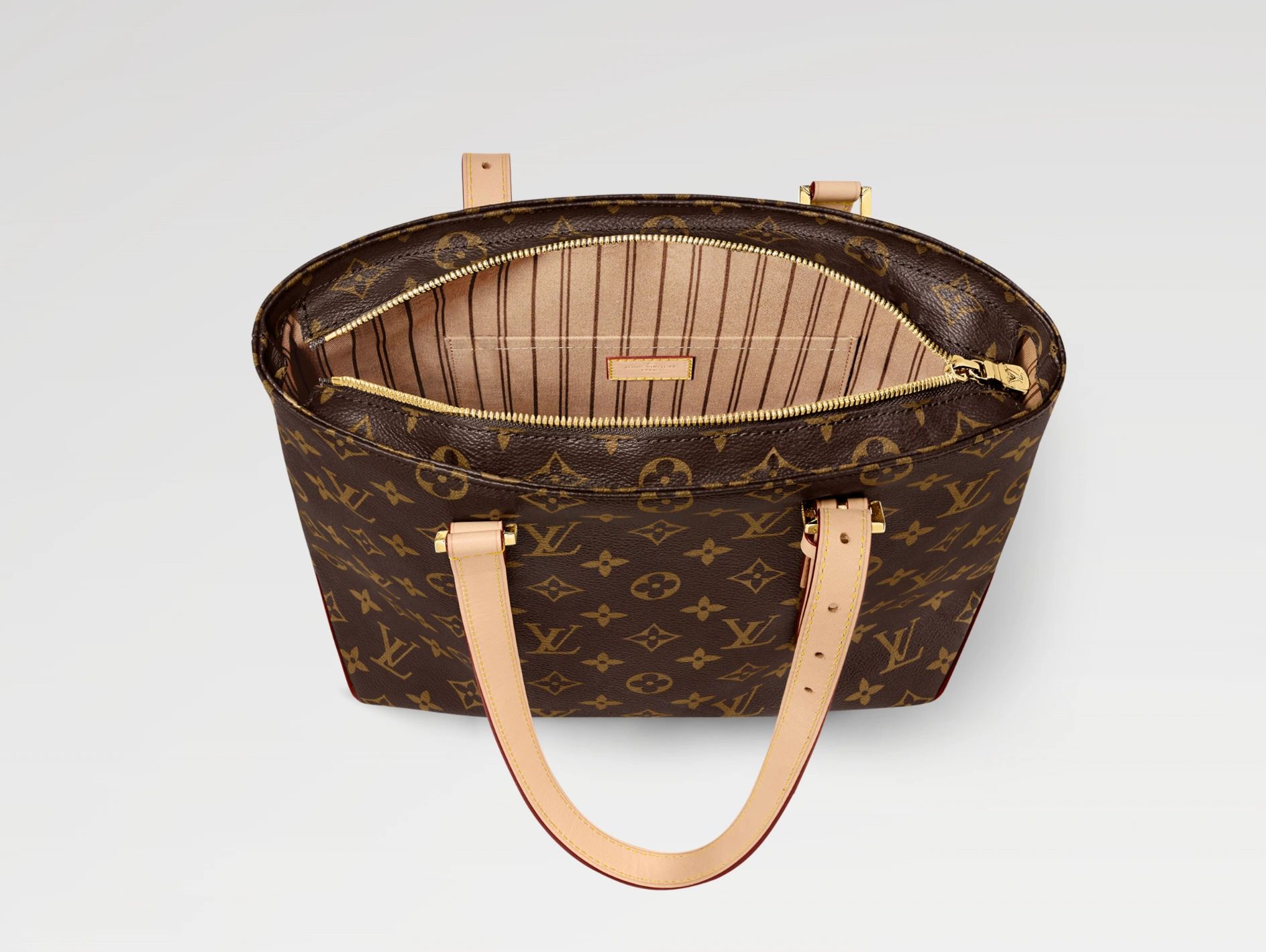
On authentic products, the iconic LV monogram is perfectly aligned across the entire canvas, forming a continuous, interlocking pattern with no shifts in scale or rotation. Each logo is uniformly centered, with consistent spacing that follows a precise grid. In contrast, fake versions frequently display misaligned patterns—noticeable when tracing the diagonal flow—where logos appear skewed, stretched, or inconsistently spaced.
The stamping technique itself is another critical differentiator:
- Font style: Authentic logos use a proprietary serif typeface with balanced proportions. Fakes often substitute with similar but visually “off” fonts—look for uneven letter thickness or rounded edges on the “L” and “V”.
- Edge clarity: Genuine stamping has sharp, clean borders without smudging or bleeding. Counterfeit versions may appear fuzzy, pixelated, or overly glossy.
- Depth and pressure: On real pieces, the embossing is uniform and subtly recessed. Fake stamps are often too shallow or excessively pressed, distorting the surrounding material.
To verify authenticity, examine the handbag’s sides and bottom—areas counterfeiters often neglect. Use a ruler app or grid overlay on your phone to check alignment across multiple logos. In humid coastal regions, genuine stamping also resists warping over time, while fake prints may crack or peel.
Investing in timeless pieces means trusting the details—when in doubt, compare against official product references and prioritize sellers who guarantee verified authenticity.
Inside the Details: How to Verify Authenticity by Examining Your Louis Vuitton’s Interior
Authenticating a Louis Vuitton bag starts the moment you open the flap. The interior holds some of the most reliable indicators of genuine craftsmanship—subtle yet consistent markers that counterfeiters often overlook. Follow these steps to inspect with confidence and protect your investment.
- Locate the Date Code and Serial Number
Louis Vuitton uses a discreet date code stamped on interior leather tags or heat-matched to the vachetta. Pre-2007 bags feature two letters followed by two numbers (e.g., SD21), while newer models use two letters and four digits. Avoid pieces with missing, scratched, or mismatched codes—a red flag for replicas. - Assess the Lining Material
Genuine Louis Vuitton interiors use high-quality microfiber or canvas linings that feel smooth but durable. Fakes often use cheap, shiny polyester that peels or cracks over time. Run your fingers along seams—authentic linings are tightly bonded with no fraying. - Check Stitching Alignment and Density
Interior stitching should be straight, even, and perfectly aligned with the bag’s structure. Count the stitches: authentic pieces typically have 11–13 stitches per inch, depending on the model. Irregular spacing or loose threads suggest mass production. - Inspect Hardware Inside the Bag
Look at any interior zippers, D-rings, or snap buttons. Authentic Louis Vuitton hardware is engraved with “Louis Vuitton” or features precise branding—never stamped or painted. The metal should feel substantial, not flimsy. - Evaluate Vachetta Leather Trim
Natural cowhide vachetta should be thick, creamy, and untreated—designed to develop a rich patina over time. Avoid interiors with bleached, stiff, or overly darkened vachetta, as these may indicate chemical treatments used in counterfeits.
In luxury markets like Miami, where authenticity drives resale value, mastering interior inspection ensures you’re investing in lasting quality—not a clever imitation.
Master the Art of Stitching: 7 Telltale Signs of Authentic Louis Vuitton Craftsmanship
When evaluating a Louis Vuitton bag, the stitching is one of the most revealing indicators of authenticity. Genuine pieces reflect a legacy of precision handcrafting found in luxury ateliers across Europe, where consistent tension, exact stitch counts, and high-grade materials are non-negotiable. Counterfeits often fail to replicate this level of detail, especially under close inspection. Here’s what to look for:
- Consistent Stitch Count (10–13 Per Inch)
Authentic Louis Vuitton handbags maintain a tight, uniform stitch density typically ranging from 10 to 13 stitches per inch. This reflects industrial-grade control and skilled craftsmanship. Fakes often vary between 6 and 9 stitches, with visible gaps or wobbling lines. - Even Tension and Straight Lines
Every seam should lie flat without puckering or waviness. Genuine stitching follows a perfectly straight path, even around curves and corners—where replicas commonly deviate or loosen. - Premium Waxed Cotton Thread
Louis Vuitton uses tightly braided, wax-coated thread that resists fraying and fading. It feels slightly rigid to the touch and maintains color integrity over time. Imitations often use synthetic threads that degrade quickly. - Single-Thread Construction Technique
A signature of true Louis Vuitton bags is the use of a single continuous thread per seam, minimizing knots. This meticulous method ensures structural durability and is rarely duplicated in counterfeit manufacturing. - Precise Thread Color Matching
Thread is carefully matched to the trim or canvas—whether caramel, dark brown, or black. Off-color stitching, especially noticeable in Miami’s sunlight or when viewed indoors in Tampa boutiques, is a red flag. - No Loose Ends or Overlocking
Authentic bags contain no visible thread tails or excess wrapping. Each stitch is cleanly secured internally, reflecting hand-finished quality. - Stitching Width and Needle Holes
The spacing between needle piercings is uniform and narrow. On fake bags, holes are often too wide or irregular, suggesting lower-grade needles and machinery.
Knowing these details helps buyers make informed decisions—whether shopping online or inspecting in person at a consignment shop. Always inspect stitching under natural light for the most accurate assessment.
Your Top Questions on Louis Vuitton Authenticity—Answered
How can I tell if a Louis Vuitton bag is real just by looking at the logo?
The LV monogram should be perfectly aligned, with consistent spacing and symmetry. On authentic pieces, the circular “L” and “V” in each motif are precisely proportioned and never skewed. Fakes often have misaligned patterns, especially where panels meet, and the golden tint between the letters may be too dark or too light.
Does real Louis Vuitton use leather for the entire bag?
No—authentic Louis Vuitton monogram bags use vachetta leather only for handles, trim, and strap accents. The body is made from coated canvas, not leather. If a seller claims a classic LV bag is “all leather,” it’s likely a fake.
Where should the date stamp be, and what does it mean?
Look inside a side pocket or along the stitching on the interior lining. The date code consists of two letters followed by four digits (e.g., SO1234). The letters indicate the factory and production month/year. The format changed over time, so knowing the era of the bag helps verify accuracy.
Are all authentic Louis Vuitton bags made in France?
While many are crafted in France, some authentic pieces come from the USA, Spain, or Italy. The country of origin is stamped inside—check for clean, evenly spaced engraving. “Made in” stamps with spelling errors or unusual fonts are red flags.
How important is the stitching on a real Louis Vuitton?
Critical. Genuine bags have 10–11 stitches per inch with tight, even tension. Stitching is always in milky beige thread, never brown or white. Asymmetrical or loose threads are signs of a counterfeit.
What about the hardware—how can I spot fake gold or silver pieces?
Real Louis Vuitton hardware has a subtle, refined finish—not overly shiny. Zippers open smoothly and bear the “YKK” or “N°5” engraving, depending on the era. Pull tabs are solid metal, not hollow or lightweight.
Is it safe to buy Louis Vuitton from online marketplaces?
Only if the seller provides verifiable proof: high-res photos of date codes, hardware engravings, and interior lining. When in doubt, use a third-party authenticator before purchasing.
Trust Your Instincts: Final Thoughts on Spotting Authentic Luxury
When it comes to luxury handbags, knowledge is your most valuable accessory. As we’ve explored, distinguishing between real and fake Louis Vuitton designs hinges on precision—details like stitch density, hardware quality, and logo symmetry aren’t just subtle hints; they’re definitive markers of authenticity. In high-demand fashion markets like Miami and Tampa, where counterfeit sophistication is rising, buyers must approach every purchase with a discerning eye and a well-informed mindset.
To protect your investment, always:
- Inspect craftsmanship closely, especially quilting alignment and stitching consistency
- Verify date codes and serial markers against known production standards
- Evaluate the weight and finish of hardware—authentic pieces have substantial, refined metalwork
- Assess materials: genuine Vuitton uses distinctive canvas with clean edges and consistent texture
- Trust only sellers who provide transparency, provenance, and verification options
The true value of a luxury bag isn’t just in its brand but in its enduring quality. By mastering these authentication fundamentals, you empower yourself to make confident decisions—whether shopping in-store or online. When in doubt, seek expert verification before finalizing any transaction. Elevate your confidence and curate a collection that reflects both style and substance. Because authentic luxury isn’t just about owning a label—it’s about owning the legacy behind it.