Best Diamond Jewelry for Investment (2026 Guide)
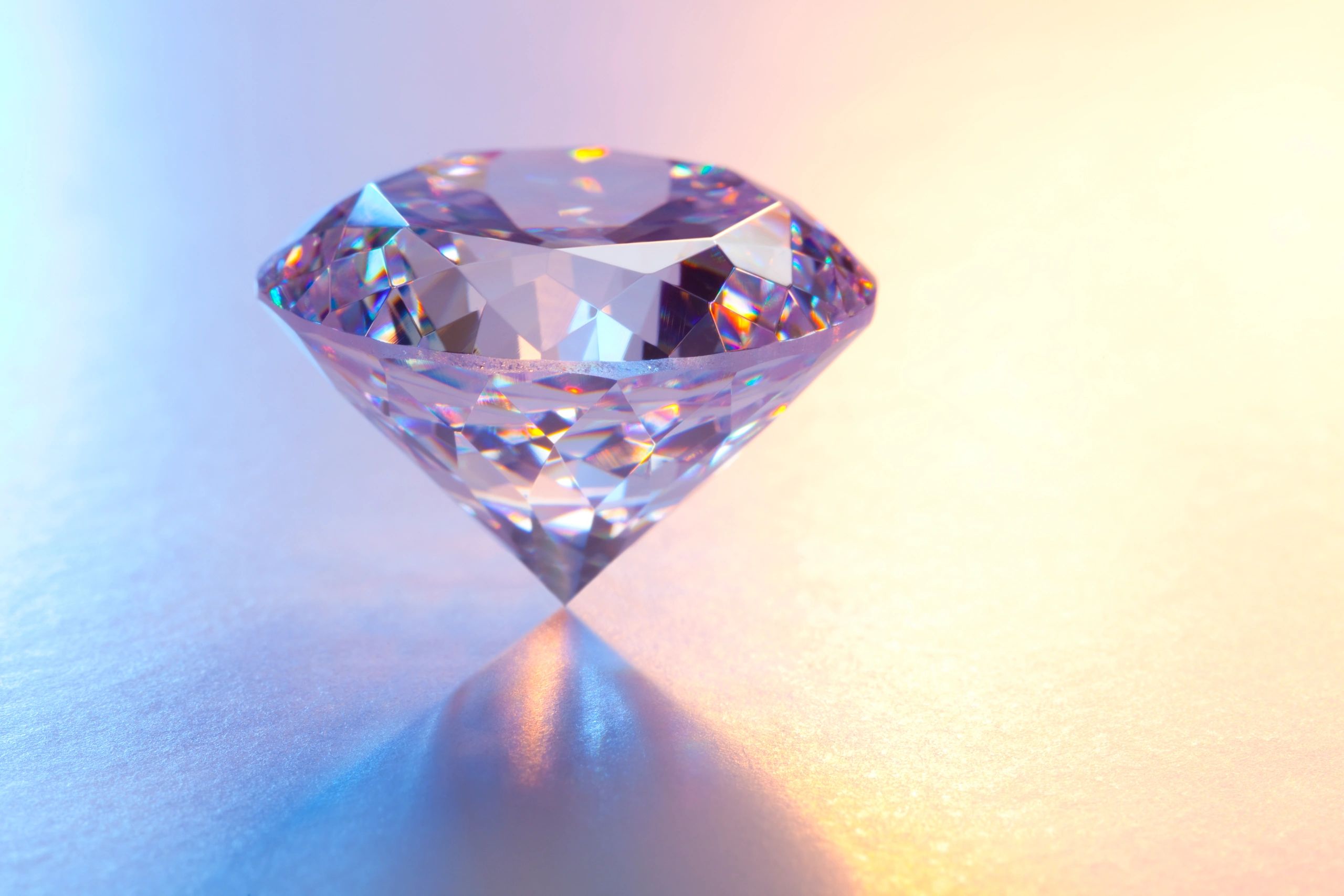
Why Smart Collectors Are Turning to Diamond Jewelry in 2026
In a world of volatile markets and fleeting trends, high-quality diamond jewelry continues to emerge as a sanctuary for long-term investors. More than just a symbol of elegance, diamonds offer tangible value rooted in rarity, enduring demand, and exceptional durability—qualities that resonate strongly with collectors in cities like Miami, where luxury lifestyles meet savvy financial planning. As global uncertainty influences investment behaviors, an increasing number of buyers are turning to authenticated luxury jewelry not only as a store of wealth but as a portable, timeless asset that appreciates with time.
Unlike traditional investments tied to market swings, diamond jewelry retains intrinsic worth through its material composition and craftsmanship. In 2026, the rise of certified, ethically sourced stones and growing interest in vintage and designer pieces have amplified their appeal. Investors now prioritize factors like cut precision, carat weight, clarity, and provenance—knowing these directly influence future resale value.
This guide will walk you through the top diamond jewelry categories ideal for investment, how to evaluate quality like a seasoned collector, and actionable strategies for sourcing pieces that deliver lasting returns—all without relying on speculative trends.
The 5 Essential Pillars That Determine a Diamond’s Investment Worth
When selecting diamond jewelry for long-term value, understanding the core attributes that drive appreciation is crucial. Unlike mass-market pieces, investment-grade diamonds derive their worth from a precise combination of cut, clarity, carat, color, and provenance—collectively known as the “Five Cs.” Each element plays a distinct role in determining not just beauty, but rarity and market resilience.
- Cut: More than just shape, cut refers to a diamond’s proportions, symmetry, and light performance. A well-cut stone maximizes brilliance and fire, significantly boosting desirability. Diamonds with Ideal or Excellent cut grades retain value better over time, especially in markets like Miami where discerning buyers prioritize visual impact.
- Clarity: Flawless (FL) and Internally Flawless (IF) diamonds are rare and highly sought after. Even minor inclusions can affect transparency and luster, so stones graded VVS1 or VVS2 offer strong investment potential with near-perfect clarity.
- Carat: Larger diamonds are exponentially rarer. A one-carat diamond, for instance, commands a much higher price per carat than a half-carat stone. For optimal balance, consider “magic sizes” like 1.00, 1.50, or 2.00 carats—benchmarks that attract collectors.
- Color: Colorless diamonds (graded D-F) are the most prized. As you move down the scale, slight yellow or brown tints reduce value. Investment pieces should fall within the colorless or near-colorless (G-J) range for enduring appeal.
- Provenance: Diamonds with documented origins—especially those from reputable mines or certified conflict-free sources—carry greater trust and resale value. Traceability is increasingly important for buyers in luxury-conscious regions.
Together, these factors create a diamond’s investment DNA—prioritizing them ensures your jewelry holds—and grows—in value over time.
5 Diamond Jewelry Pieces That Deliver Maximum Investment Value
Investing in diamond jewelry goes beyond aesthetics—it’s about selecting pieces that retain or appreciate in value over time. In markets like Miami, where luxury assets are both fashion statements and financial considerations, choosing the right designs is critical. These five diamond jewelry types have consistently demonstrated strong resale performance, enduring demand, and timeless appeal.
- Classic Solitaire Engagement Rings
The quintessential solitaire—featuring a single, high-quality round brilliant diamond on a simple band—remains a top-tier investment. Its universal appeal ensures high liquidity in secondary markets, particularly for rings with documented GIA certification. Focus on diamonds in the D-F color range, VVS clarity, and excellent cut grades to maximize long-term value. - Vintage and Estate Diamond Pieces
Art Deco earrings, mid-century necklaces, and Edwardian rings often feature hand-engraved settings and rare antique cuts like old mine or European brilliants. These characteristics, paired with historical provenance, can significantly elevate a piece’s worth. Authentic vintage items with original craftsmanship are especially coveted in luxury hubs like South Florida. - Branded High-Jewelry Collections
Pieces from renowned luxury houses—particularly limited editions or iconic lines—often command premium resale values. Designs with distinctive architectural details, signature motifs, and masterful stone settings tend to outperform generic styles. Consistent branding and verifiable authenticity enhance market confidence. - Three-Stone Diamond Rings
Symbolizing past, present, and future, three-stone rings combine visual impact with investment practicality. When the center stone is flanked by two quality accent diamonds, the total carat weight and symmetry contribute to stronger valuation. Well-proportioned settings in platinum or 18K gold maintain durability and desirability. - Diamond Tennis Bracelets with Secure Settings
A well-crafted tennis bracelet featuring uniformly matched round diamonds in a micro-pave or channel setting offers both elegance and resilience. Those with double-locking clasps and low-profile settings are less prone to damage, preserving their condition and value. Look for pieces with consistent diamond color and clarity across all stones.
When acquiring any investment-grade diamond piece, always request certified grading reports, provenance documentation, and inspection from an independent gemologist—especially in high-traffic luxury markets.
Verify Your Diamond Investment: A Step-by-Step Guide to Authenticity and Certification
Protecting your diamond jewelry investment begins with verification through trusted, measurable steps. As demand for authentic luxury jewelry rises—especially in high-value markets like Miami—knowing how to authenticate your piece is essential. Follow this expert-backed process to ensure lasting value and confidence in your purchase.
1. Confirm GIA or AGS Certification
Always insist on a grading report from the Gemological Institute of America (GIA) or the American Gem Society (AGS). These labs provide unbiased, detailed analysis of a diamond’s 4Cs—cut, clarity, color, and carat weight. Verify the report number matches the stone’s laser-inscribed ID using a jeweler’s loupe or digital verifier.
2. Inspect Hallmarks and Metal Stamps
Examine the interior of the setting for purity marks like “750” (18K gold) or “950” (platinum). Authentic pieces feature crisp, deeply engraved hallmarks alongside the designer’s mark and country-specific stamps. Avoid pieces with uneven, shallow, or smudged engravings.
3. Purchase from Reputable, Traceable Sources
Buy only from established jewelers, authorized dealers, or certified pre-owned luxury retailers with transparent provenance. In South Florida, prioritize businesses that offer in-house authentication or partner with third-party verifiers.
4. Schedule an Independent Appraisal
Have your piece evaluated by a certified gemologist unaffiliated with the seller. They’ll verify metal composition, diamond integrity, and structural craftsmanship—critical for insurance and resale.
5. Maintain Documentation Securely
Keep your certificate, receipt, and appraisal in a fireproof, waterproof safe or secured digital vault. These documents are vital for resale, insurance claims, and future authentication—especially when traveling internationally or shipping through customs.
Frequently Asked Questions: Buying Diamond Jewelry for Investment in 2026
What gives a diamond its investment value?
Investment-grade diamonds are assessed using the Four Cs: cut, color, clarity, and carat weight. Stones with higher grades in these categories—such as a D-color, VVS1 clarity, triple EX cut, and 1 carat or more—typically appreciate better over time. Natural, earth-mined diamonds with GIA certification are preferred for long-term value retention, especially in markets like Miami where demand for authenticated luxury jewelry remains strong.
Do all diamond jewelry pieces hold their resale value?
Not equally. Classic designs—like solitaire engagement rings, diamond studs, or timeless bracelets—tend to retain value better than trendy, fashion-forward pieces. Brands associated with heritage and craftsmanship often see stronger resale performance. The key is buying pieces with certified diamonds, proper documentation, and minimal wear.
How does location affect diamond investment potential?
In luxury-centric cities such as Miami and other South Florida areas, there’s consistent demand for high-end jewelry, boosting liquidity when reselling. Local buyers often prefer pieces with verifiable provenance and recent appraisals, making it easier to achieve competitive market pricing.
Should I insure my investment diamond jewelry?
Yes. A comprehensive jewelry insurance policy protects against loss, theft, or damage and often includes coverage for annual reappraisals. This documentation supports value tracking and strengthens credibility when selling.
How often should I have my diamond jewelry appraised?
Update appraisals every two to three years to reflect current market trends and ensure accurate valuation for insurance or resale.
Can lab-grown diamonds be good investments?
Currently, lab-grown diamonds have significantly lower resale value due to rapid price declines and oversupply. For investment purposes, natural certified diamonds remain the more stable choice.
What maintenance steps protect my diamond’s value?
Regular professional cleanings, prong inspections, and safe storage prevent damage. Avoid wearing diamond jewelry during high-impact activities to preserve its condition and brilliance.
Why Diamond Jewelry Stands the Test of Time as a Smart Investment
As we look ahead to 2026, diamond jewelry continues to shine not just for its beauty, but for its enduring value. Unlike fleeting trends, well-chosen pieces offer stability, portability, and lasting appeal across global markets—from Miami’s luxury boutiques to international collectors. The strongest investments are those featuring high-quality stones with verified cut, color, clarity, and carat—the Four Cs—ensuring both brilliance and long-term appreciation potential.
Time-honored designs in timeless settings—like solitaire pendants, diamond eternity bands, or classic stud earrings—maintain demand due to their versatility and enduring elegance. These pieces transcend seasons, making them easier to resell or pass down through generations. Moreover, authenticated diamond jewelry from reputable sources holds its value better, especially when accompanied by certification from recognized gemological labs.
For savvy buyers, diversifying a portfolio with tangible assets like diamond jewelry offers a hedge against market volatility. To maximize returns:
- Prioritize certified stones with documented provenance
- Choose classic styles over trendy designs
- Store pieces properly to maintain condition
- Re-evaluate valuations every few years
Whether you’re building a personal collection or planning for generational gifting, diamond jewelry remains a powerful, enduring investment. Take the next step: audit your current pieces, research certified pre-owned options, or consult a trusted gemologist to begin building value with every carat.