Is Louis Vuitton Worth It in 2026?
The Allure of Iconic Luxury: What Really Makes a Brand Last?
Few names in fashion command the same instant recognition and cultural weight as the world’s most iconic luxury houses. For decades, certain brands have transcended trends, becoming symbols of status, craftsmanship, and timeless taste. As we move into 2026, the conversation around these labels isn’t just about logos—it’s about legacy, value retention, and whether that investment still aligns with modern lifestyles. In vibrant style capitals like Miami and Tampa, where luxury meets coastal living, consumers are asking harder questions than ever: Does classic design still deliver practical value? And can a handbag do more than complete an outfit—can it actually appreciate?
This section sets the stage for a deeper exploration into one of fashion’s most debated topics: whether a cornerstone luxury brand maintains its worth in today’s rapidly evolving market. You’ll discover how heritage intersects with real-world durability, how climate and daily use impact longevity, and what savvy buyers should evaluate before committing to a high-end purchase. From material integrity to resale intelligence, the insights ahead are designed to help fashion enthusiasts make informed, confident decisions—whether shopping new, exploring pre-owned, or planning their next legacy piece.
The Heritage Factor: Why Brand Legacy Matters in Luxury Decisions
When evaluating whether a luxury investment like Louis Vuitton holds value in 2026, understanding brand legacy is essential. Iconic fashion houses have spent decades—some over a century—building reputations rooted in innovation, craftsmanship, and cultural relevance. This heritage isn’t just marketing; it’s a foundation that influences design integrity, consumer trust, and long-term desirability across global fashion hubs including Miami, Tampa, and other luxury-centric cities.
What sets enduring brands apart is their ability to balance tradition with modernity. The world’s leading labels maintain signature elements—be it a distinct monogram, quilting technique, or hardware design—while adapting to shifting tastes and sustainable practices. This consistency reassures buyers that their purchase isn’t tied to a fleeting trend but to a proven narrative of excellence.
Equally important is how a brand’s craftsmanship standards contribute to longevity. High-end pieces are constructed using time-tested methods: reinforced stitching, hand-finished edges, and premium materials selected for durability and aging potential. These details not only enhance daily wear but also support resale performance, especially in markets where authenticated pre-owned demand continues to grow.
For discerning buyers, here’s how to assess a brand’s staying power:
- Trace its design evolution – Has it adapted without losing identity?
- Evaluate material choices – Do they age well in your climate?
- Review resale consistency – Are classic styles still in demand years later?
Choosing luxury is more than selecting a logo—it’s aligning with a legacy built to last.
Beyond the Monogram: What Really Determines Long-Term Value in Luxury?
When investing in high-end fashion, understanding material quality and design innovation is critical to ensuring long-term value. In markets like Miami and Tampa, where climate and lifestyle influence wear patterns, selecting pieces built to endure—both structurally and stylistically—becomes essential. Luxury is no longer just about a recognizable logo; it’s about craftsmanship that withstands time, materials that age gracefully, and design evolution that keeps iconic silhouettes relevant across seasons.
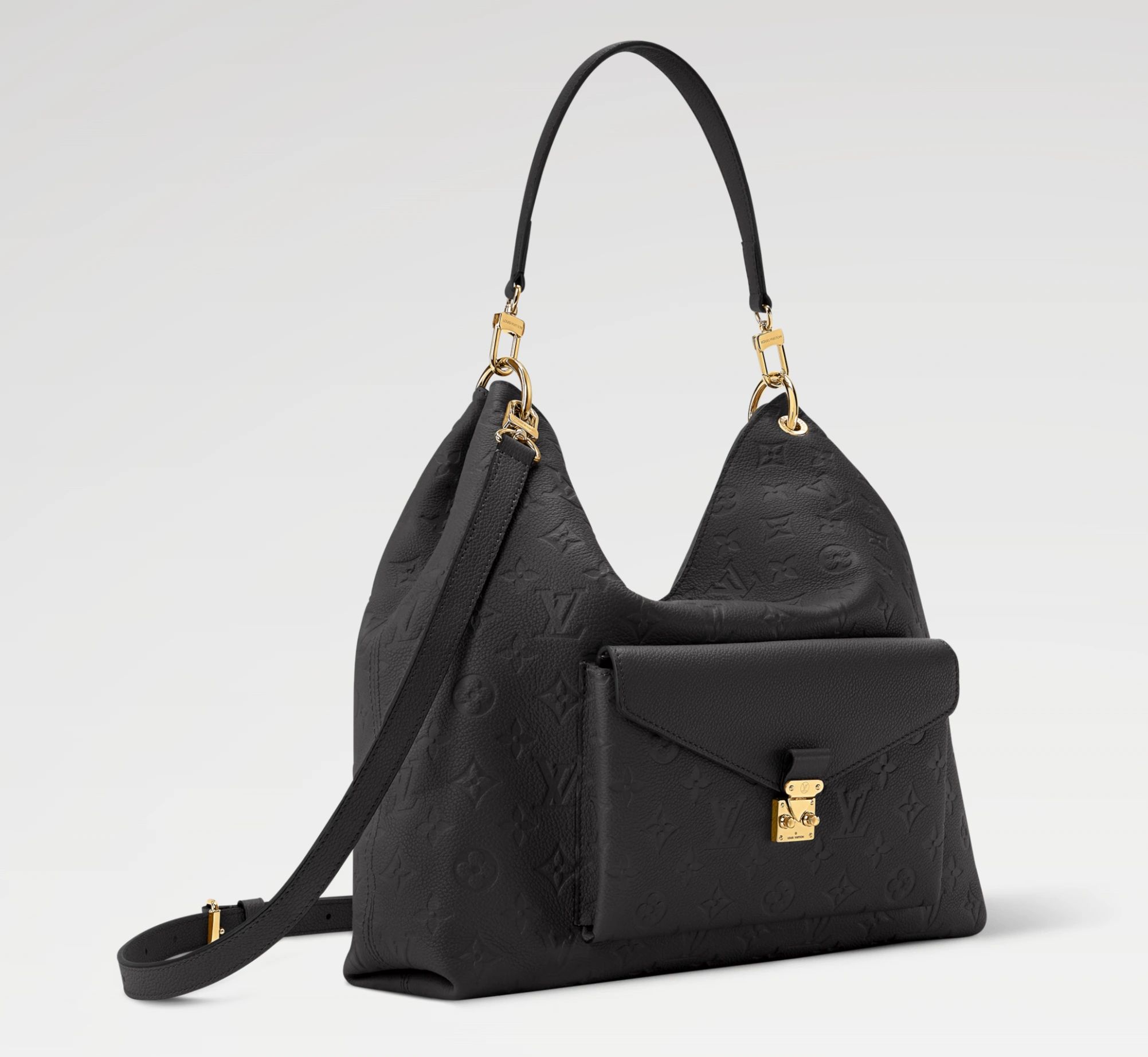
Top-tier brands consistently use full-grain leathers, tightly woven coated canvases, and reinforced stitching techniques that prevent fraying and wear. Hardware—zippers, clasps, and chains—should feel weighty and operate smoothly, indicating higher-grade metals and precision engineering. In humid coastal environments, vachetta leather and water-resistant finishes offer added durability, while breathable linings prevent interior degradation.
Design innovation also plays a key role. Brands that balance heritage aesthetics with functional updates—such as adjustable straps, modular compartments, or seasonless silhouettes—tend to outperform trend-driven pieces in resale markets. Look for time-tested construction markers: symmetrical quilting, consistent dye lots, and hand-finished edges, all signs of meticulous quality control.
To maximize longevity and value retention:
- Prioritize pieces with seasonless appeal and proven resale performance
- Inspect tactile details—weight, texture, and hardware function—before purchase
- Store items properly to maintain shape and prevent moisture damage
Smart investment means choosing pieces designed to evolve, not expire.
Resale Realities: How Pre-Owned Luxury Bags Hold Value Over Time
Understanding the resale landscape is critical when evaluating whether a designer handbag is a smart long-term investment. In 2026, buyers in cities like Miami, Tampa, and other luxury fashion hubs are increasingly treating iconic pieces not just as accessories, but as tangible assets with measurable depreciation—or appreciation—over time. The key lies in recognizing which factors drive desirability and retention in the pre-owned market.
Unlike trend-driven styles that lose value quickly, timeless silhouettes from heritage houses consistently outperform seasonal collections. For example:
- Classic totes with functional design maintain strong buyer interest due to everyday usability
- Limited editions and rare colorways often appreciate in value when supply remains constrained
- Full-grain leathers and coated canvases age gracefully, enhancing appeal for discerning collectors
Depreciation trends reveal a stark contrast: mass-produced luxury items may lose up to 30–40% of their value within the first year, while well-maintained heritage designs often stabilize at 70–80% of retail resale pricing. The difference? Brand consistency, scarcity, and craftsmanship integrity.
Geographic demand also plays a role—coastal markets favor lightweight, travel-ready designs with water-resistant finishes, while urban centers prioritize compact, status-driven pieces. To maximize resale potential, focus on:
- Purchasing authenticated items with clean provenance
- Storing pieces properly to prevent color transfer and hardware wear
- Keeping original components (dust bags, cards) to support authenticity claims
Ultimately, longevity in the pre-owned market isn’t accidental—it’s engineered through design intention and sustained cultural relevance.
Louis Vuitton in 2026: Your Top Questions Answered
Is Louis Vuitton still considered a luxury brand in 2026?
Absolutely. Despite evolving fashion landscapes, Louis Vuitton maintains its position at the pinnacle of luxury through consistent craftsmanship, global brand recognition, and strategic design evolution. The house continues to balance heritage monograms with modern innovations, ensuring relevance across generations of luxury consumers in cities like Miami, Tampa, and beyond.
How do I properly care for my Louis Vuitton bag?
Routine maintenance is key to longevity. Store your bag in its dust bag away from direct sunlight and humidity—especially important in South Florida’s tropical climate. Clean vachetta leather trims gently with a dry cloth; avoid conditioners that can darken the leather. For coated canvas, wipe with a slightly damp cloth and never submerge. Rotate usage to prevent structural fatigue.
Does Louis Vuitton hold its value over time?
Yes, particularly for iconic styles like the Neverfull, Speedy, and structured leather pieces. While not all items appreciate like rare Chanel flaps, Louis Vuitton bags often maintain strong resale demand due to widespread recognition and durability. Limited collaborations and region-exclusive releases tend to perform best on the pre-owned market.
Can I resell my Louis Vuitton bag easily?
The secondary market remains robust, especially for well-maintained pieces from popular collections. Buyers in urban centers prioritize condition, authenticity, and completeness (including date codes and hardware integrity). Having proof of purchase or professional authentication adds confidence during resale.
Are Louis Vuitton’s materials durable for everyday use?
Designed with travel and utility in mind, Louis Vuitton’s coated canvas and Epi leather resist scratches and water splashes, making them ideal for daily wear. Vachetta leather develops a natural patina over time—a hallmark of authenticity, not decay. With proper care, these materials age gracefully rather than degrade.
Should I invest in Louis Vuitton as a financial asset?
While not a replacement for traditional investments, select Louis Vuitton pieces can function as fashion assets. Timeless silhouettes with low production runs often appreciate, particularly when kept in pristine, unworn condition. For best results, treat it like a curated collectible—store carefully, document provenance, and monitor market trends.
What should I inspect before buying pre-owned Louis Vuitton?
Focus on stitch consistency, alignment of the monogram pattern, and the integrity of the date code stamp. Check for over-darkened vachetta, cracked glue on corners, and mismatched hardware. When in doubt, seek expert verification—many local luxury boutiques and authentication services in major metro areas offer in-person evaluations.
The Final Verdict: Aligning Luxury with Lifestyle and Value
When evaluating whether investing in Louis Vuitton is truly worth it in 2026, the answer hinges on two powerful factors: how well it aligns with your personal aesthetic and your long-term financial strategy. More than just a status symbol, today’s luxury purchase should serve as both a style staple and a deliberate asset. For fashion-conscious individuals in markets like Miami and Tampa, where climate and lifestyle influence wearability, material choice—like monogram canvas or Epi leather—plays a crucial role in longevity and upkeep.
Consider these actionable insights before making your decision:
- Audit your daily routine: Does your lifestyle call for a versatile tote, or is a refined crossbody your ideal companion?
- Evaluate material resilience: In humid coastal environments, some leathers require more maintenance—opt for durable, climate-appropriate finishes.
- Factor in resale potential: Iconic, timeless silhouettes tend to retain value far better than seasonal trends, especially when purchased in pristine condition.
Luxury should never be a leap of faith. Approach your next designer piece as both a personal statement and a calculated choice. Whether you’re investing in a pre-owned classic or your first new purchase, let authenticity, craftsmanship, and intention guide you. Explore curated collections on your website to discover pieces that reflect your taste and stand the test of time—because true value isn’t just in the price tag, but in the confidence you feel carrying it.