The Cost-Per-Wear Calculator: Why That $3,000 Prada Galleria
The Cost-Per-Wear Calculator: Why That $3,000 Prada Galleria Actually Costs Pennies
There is a particular kind of math that luxury shoppers do in their heads. It happens in the quiet moment between picking up the bag and checking the price tag. It happens while standing in front of a mirror, tilting your head, running numbers silently while a sales associate hovers nearby pretending to organize a display of leather goods that doesn’t need organizing. If I carry this every day for two years, that’s about four dollars a day. That’s less than a latte. That’s less than the parking garage downtown. That’s practically free. This internal calculus is the cost-per-wear calculation, and while it sounds like the kind of self-deception that fashionable people deploy to justify their decisions to the spreadsheet-minded people who share their bank accounts, the math actually holds up under scrutiny. In fact, when applied correctly, the cost-per-wear formula reveals something deeply counterintuitive about luxury spending: the most expensive bags are often the cheapest things you will ever own.
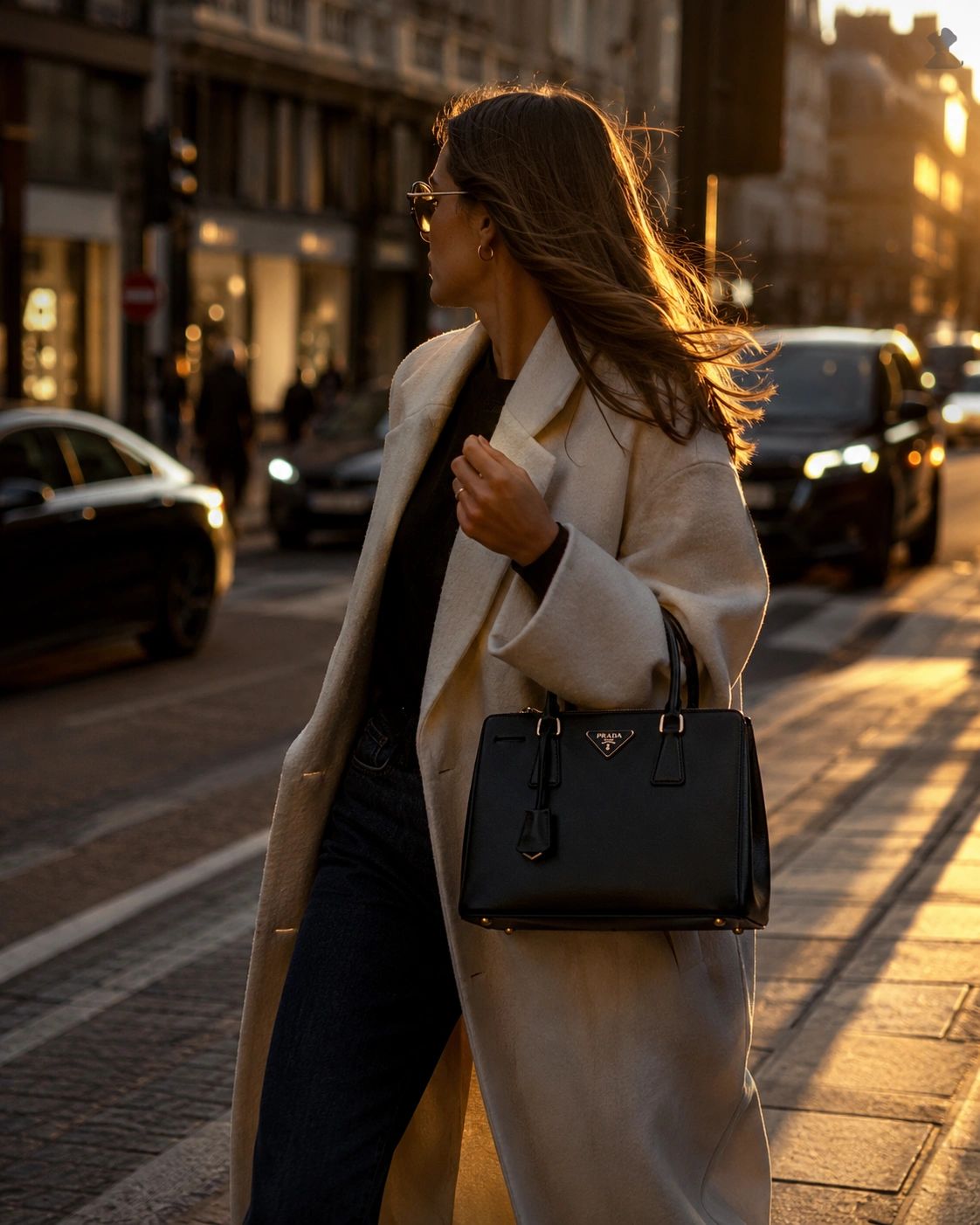
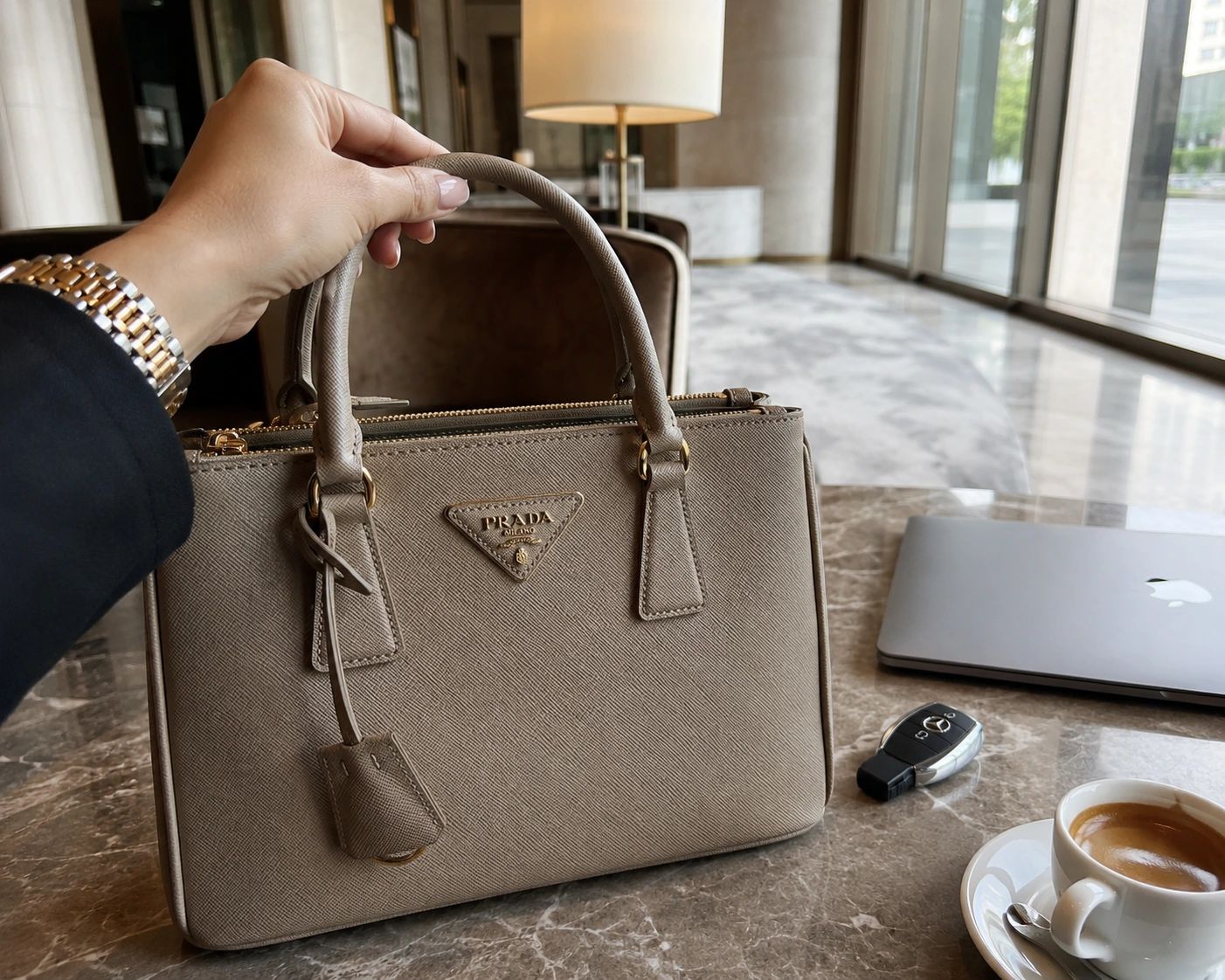
Let’s start with the Prada Galleria, because it is the perfect case study for this conversation. The Galleria bag, named after the iconic Galleria Vittorio Emanuele II in Milan where Prada’s story began over a century ago, retails for approximately three thousand dollars in its medium Saffiano leather configuration. It is a bag of architectural precision. Clean lines that owe more to mid-century Italian design than to any passing fashion trend. Saffiano leather, invented and patented by Mario Prada himself, is heat-treated and cross-hatched to resist scratches, water, and the general chaos of daily life. Unlike lambskin, which scuffs if you look at it wrong, or untreated calfskin, which stains when confronted with a spilled cappuccino, Saffiano is the leather equivalent of a Swiss watch: precise, durable, almost irritatingly perfect. A ten-year-old Galleria that has been used daily often looks nearly identical to one that left the boutique last month. This durability is the foundation upon which the entire cost-per-wear argument rests, because a bag that falls apart after two seasons can never achieve the kind of per-use economics that make luxury mathematically sensible.
The formula itself is almost insultingly simple. You take the total cost of the bag and divide it by the estimated number of times you will carry it over its useful life. That’s it. No advanced degree required. No spreadsheet wizardry. But the inputs are where the magic happens, because most people dramatically underestimate how many times they will use a truly great bag. The average woman who invests in a designer handbag carries it four to five times per week. That’s somewhere between two hundred and two hundred and sixty wears per year. A Prada Galleria, properly cared for, will last twenty years without structural degradation. The stitching will hold. The hardware will maintain its integrity. The leather will develop a subtle patina rather than cracking or peeling. Twenty years at two hundred wears per year is four thousand wears. Divide three thousand dollars by four thousand wears, and your Galleria costs seventy-five cents every time you pick it up. Seventy-five cents. You cannot buy a pack of gum at an airport for seventy-five cents. You are carrying a piece of Milanese craftsmanship, a bag designed by one of the most storied fashion houses on earth, for less than the price of the tip you leave on a breakfast sandwich.
Now let’s compare that to the alternative most people choose, because the cost-per-wear argument only becomes powerful when you place it alongside the spending patterns it replaces. The fast-fashion bag is the default for shoppers who look at a three-thousand-dollar Galleria and feel their pulse quicken with anxiety rather than desire. A reasonably attractive faux-leather tote from a high-street brand costs somewhere between forty and eighty dollars. It looks good on the shelf. It photographs decently for Instagram. Friends might even ask where you got it. But here is the uncomfortable reality of fast-fashion accessories: they are designed to fail. The stitching unravels at stress points within months. The faux leather, which is essentially polyurethane bonded to a polyester backing, begins to peel in sheets, revealing a greyish underlayer that no amount of DIY repair can fix. The hardware tarnishes. The handles crack. Within six to eight months of regular use, the bag looks tired. Within a year, it is embarrassing to carry to any event where you might run into someone you respect.
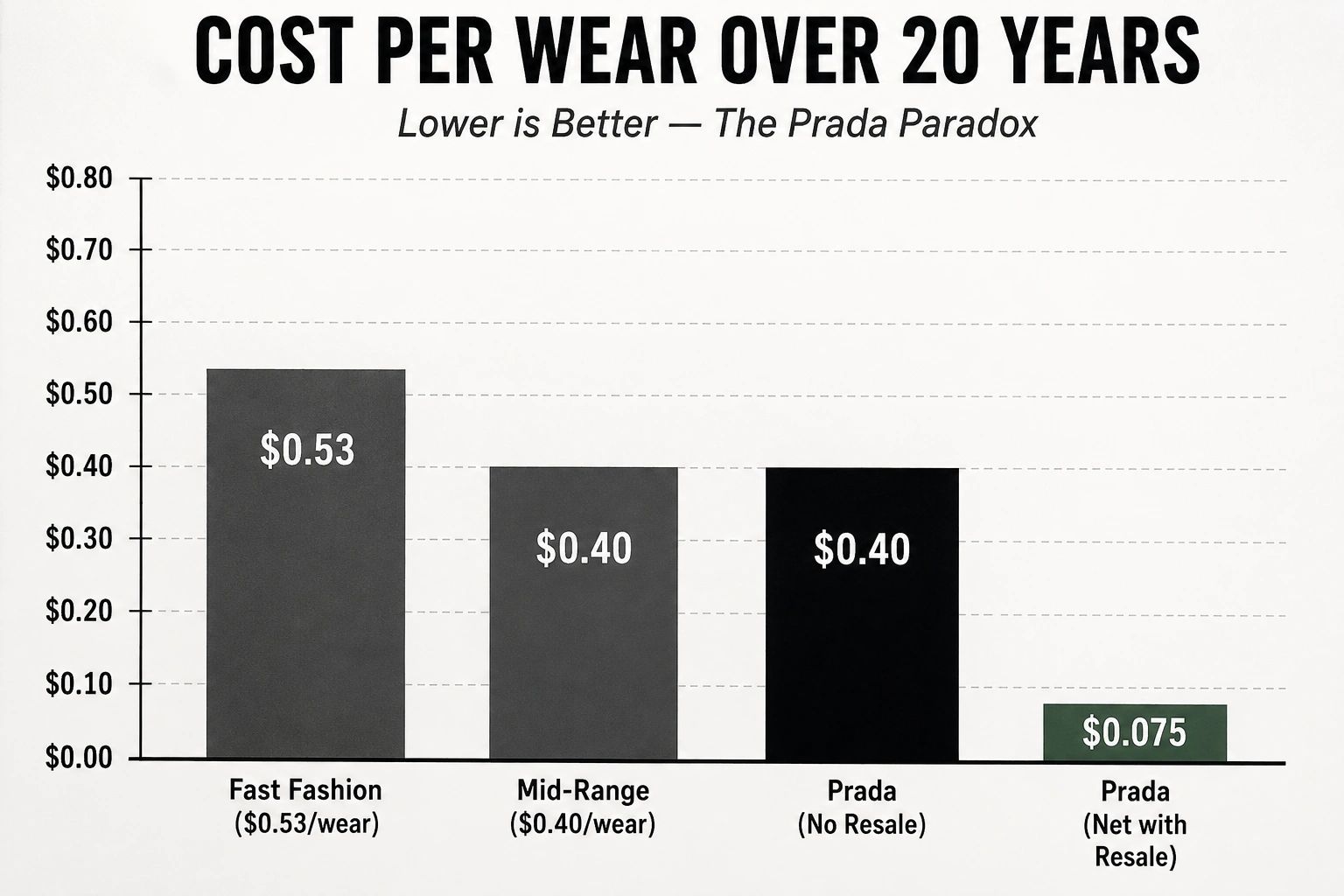
The fast-fashion cost-per-wear math is brutal when you actually run the numbers. An eighty-dollar bag that falls apart after eight months of regular use, worn perhaps one hundred and fifty times during its short lifespan, costs about fifty-three cents per wear. That is cheaper than the Galleria in absolute per-use terms, but only if you stop the calculation there. You won’t. You will buy another eighty-dollar bag when the first one dies. And another. And another. Over twenty years, replacing an eighty-dollar bag every eight months requires thirty bags. That’s two thousand four hundred dollars spent on disposable accessories that leave you with nothing at the end of the journey — no heirloom, no resale value, no asset to sell or trade or pass to a daughter or a niece with a story about where it came from. The Galleria costs three thousand dollars once and leaves you with an asset that, in good condition, can be resold for roughly forty to sixty percent of its original retail value depending on market conditions. Factor in that residual value, and the true net cost of the Galleria drops closer to fifteen hundred dollars over twenty years. Suddenly the luxury option isn’t just better. It’s cheaper.
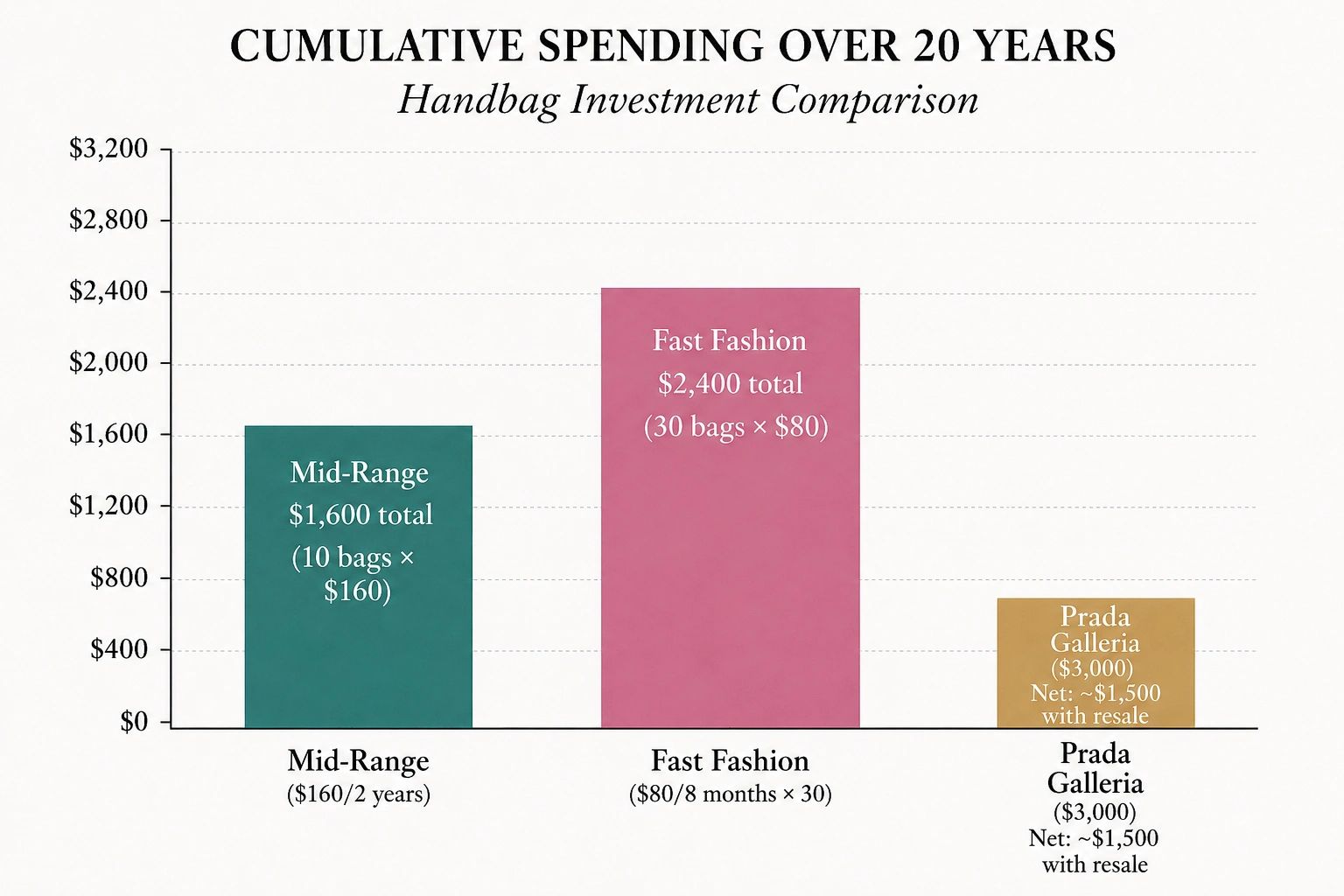
The Prada Galleria column sits at three thousand dollars, but unlike the other two categories, this spending happens once. There is no cumulative creep upward over the decades. The fast-fashion column, by contrast, climbs relentlessly, purchase by purchase, until it reaches two thousand four hundred dollars — only six hundred dollars less than the Galleria at first glance, until you remember the Galleria still has resale value at the end of those twenty years while the fast-fashion bags have all disintegrated into landfill. The mid-range contemporary option looks reasonable at sixteen hundred dollars total, but it occupies an awkward middle ground. It doesn’t offer the craftsmanship and status of the Galleria, and it doesn’t offer the rock-bottom upfront cost of fast fashion. It is neither fish nor fowl, and the woman carrying it knows it.
Now let’s look at the same scenario through the lens of cost-per-wear, which flips the narrative entirely. This is where the luxury argument becomes undeniable in a way that even the most skeptical observer must acknowledge. The fast-fashion bag costs fifty-three cents every time you pick it up. The mid-range bag costs forty cents per wear. The Prada Galleria without factoring in resale value is seventy-five cents per wear. That’s more than the other two, and this is where skeptics usually stop reading, satisfied that their cheap-bag strategy is vindicated. But look at the fourth column. That’s the Galleria with its estimated residual value deducted. Fifteen hundred dollars net cost divided by four thousand wears. Seven and a half cents. A dime doesn’t even cover it. Two nickels and you are still short. You are carrying a piece of Prada’s heritage, a bag crafted in Italy by artisans who have spent decades perfecting their techniques, for less than the cost of the electricity you used to charge your phone last night.
The resale factor deserves its own paragraph because it’s the part of the equation most shoppers ignore, usually because they don’t plan to sell their bags. Fair enough. But the option itself has value. An asset you could sell is fundamentally different from an asset you cannot sell, even if you never exercise that option. It’s the difference between renting and owning. When you buy a fast-fashion bag, you are renting a temporary aesthetic, knowing full well the lease expires in under a year. When you buy a Prada Galleria, you are purchasing equity. You can sell it. You can trade it toward something else. You can borrow against its value in a pinch, though that’s a conversation for a different kind of advisor. The point is that the Galleria sits on your balance sheet as an asset, depreciating slowly but never reaching zero the way disposable bags inevitably do.
The Galleria specifically excels in this framework because of Saffiano leather’s near-mythical durability. Mario Prada developed this leather treatment specifically to solve the problem of luxury goods that looked beautiful on day one and tired by day ninety. The heat-stamping process creates a cross-hatch pattern that isn’t just decorative — it’s functional armor. Water beads up and rolls off instead of soaking in. Keys rattling around inside the bag don’t leave scratches. The corners, which on most bags are the first casualty of daily life, hold their shape and color for years. There are Prada Gallerias circulating in the resale market from the early 2010s that look newer than some fast-fashion bags purchased last spring. This is not an exaggeration. Browse any reputable luxury resale site and filter for older Gallerias. You will see bags that are a decade old, still commanding over a thousand dollars, still structurally impeccable, still capable of embarrassing bags that cost half as much and are a tenth their age.
The psychology of cost-per-wear doesn’t fit neatly into a spreadsheet but matters enormously in the real world. A bag you love, a bag that makes you feel pulled together and powerful every time you pick it up, is a bag you will reach for constantly. It becomes your default. Your signature. The Galleria has this quality in spades because it goes with everything. Tailored trousers for a meeting. Jeans and a cashmere sweater for brunch. A black dress for an evening event. It transitions without friction, which means you never have to swap bags between occasions. The fast-fashion bag, by contrast, often lives in a strange limbo. It’s not quite nice enough for important moments, not quite durable enough for daily abuse, not quite special enough to make you smile when you see it hanging on the back of a chair. So it sits in your closet, half-used, while you reach for something else. A bag that sits in your closet has an infinite cost-per-wear, because it costs money and delivers zero utility. The most expensive purchase is not the one with the highest price tag. It’s the one you never use.
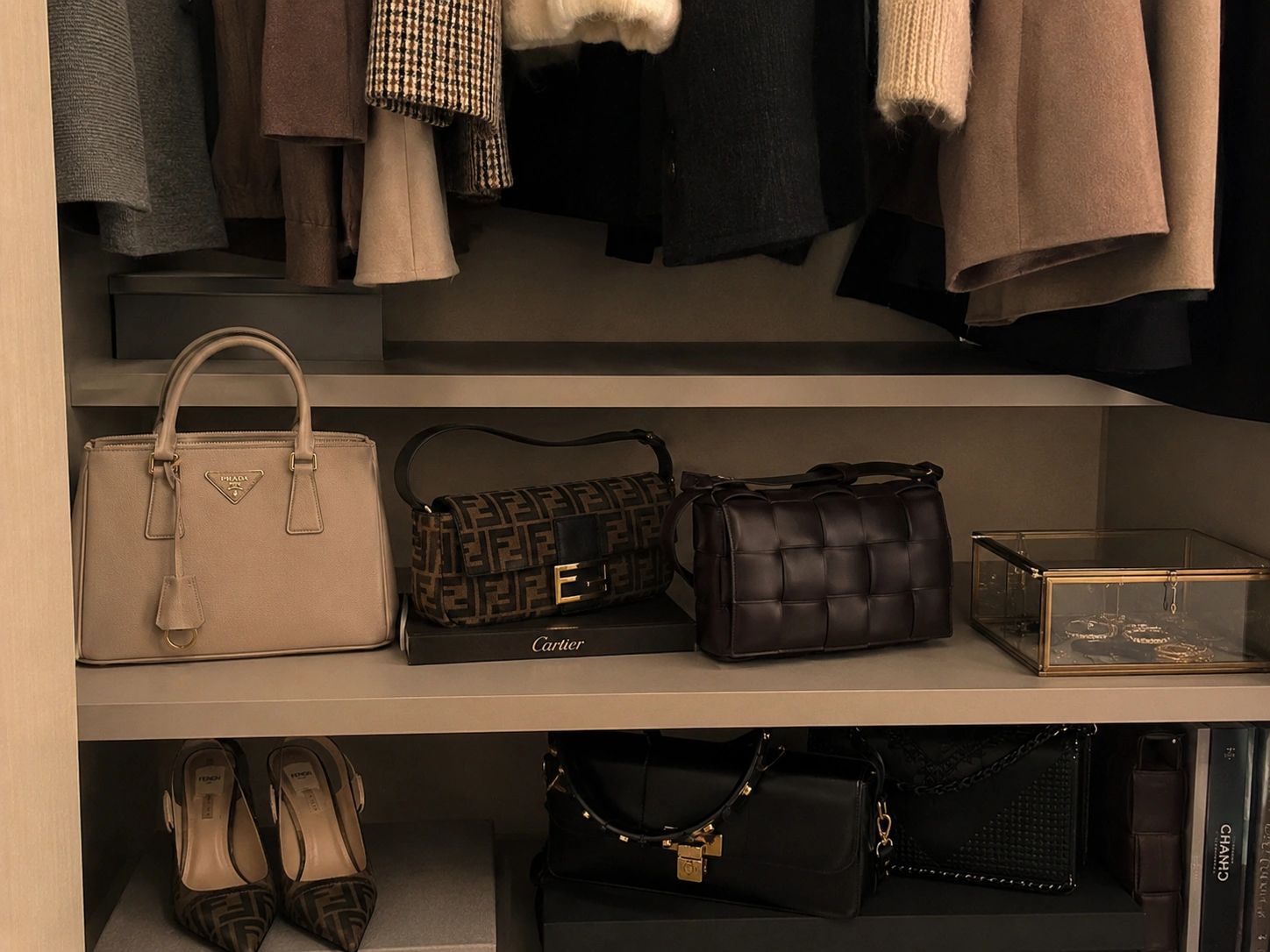
The implications of this analysis extend beyond the Galleria. Once you internalize the cost-per-wear framework, it changes how you evaluate every luxury purchase. The Fendi Peekaboo that retails for four thousand dollars but will last twenty-five years. The Bottega Veneta Intrecciato Cassette whose hand-woven leather will outlive its owner. The fine jewelry — the diamond studs, the gold chain, the tennis bracelet — that gets worn three hundred and sixty-five days a year for half a century. These are not indulgences. They are optimizations. They are the cheapest way to move through the world beautifully, because the alternative — buying and replacing and buying and replacing, forever — is a slow leak of money that adds up to a flood over a lifetime. The woman carrying the Prada Galleria isn’t the one making the expensive choice. The woman replacing her bag every eight months, spending eighty dollars a pop for something designed to fail, is the one hemorrhaging money, thirty bags at a time, with nothing to show for it but a landfill contribution and a persistent feeling that her things don’t quite measure up.
The source matters enormously in this equation. A counterfeit Galleria, no matter how convincing the Saffiano pattern looks in listing photos, will not survive four thousand wears. It will not survive four hundred wears. Counterfeiters may have mastered the art of replicating the look of Saffiano leather, but they cannot replicate the heat-treatment process that gives the real thing its durability. A fake Prada uses inferior leather bonded to synthetic backing, and that bond will fail. The cross-hatch pattern will wear off in patches. The handles will fray where they attach to the body. The hardware will tarnish and then, eventually, snap. Every element of the counterfeit is designed to pass a visual inspection, not a durability test. The cost-per-wear on a twelve-hundred-dollar superfake that disintegrates after two years is astronomical — roughly a dollar fifty per wear, worse than fast fashion and without the authentic resale value that makes the genuine article a rational purchase.
This is why a trusted luxury outlet that has spent over a decade authenticating designer bags, subjecting every piece to a multi-point inspection that examines stitching, hardware composition, date codes, and leather quality under magnification, is not merely a retailer. It is the mechanism that makes the cost-per-wear math work. When a Prada Galleria retails for three thousand dollars at the boutique but is available for substantially less through a reputable pre-loved source, the cost-per-wear equation tilts even further toward the absurdly favorable. The savings at purchase are not a compromise. They are an acceleration of the already-compelling math that makes luxury the rational choice over fast fashion.
Let’s run the numbers one more time, because repetition is how financial wisdom sinks in. A Prada Galleria purchased from a trusted luxury outlet might cost closer to eighteen hundred dollars. Twenty years of use. Four thousand wears. Forty-five cents per wear before factoring in residual value. With residual value — say a conservative forty percent resale after two decades, bringing the net cost to roughly eleven hundred dollars — the cost per wear drops to about twenty-seven cents. That’s a quarter and two pennies. You are paying less per use than you would for a drugstore lipstick, less than the parking meter outside your local coffee shop, less than the single-use plastic bag you forgot to bring and had to buy at the grocery store checkout. And in exchange, you get to carry a piece of Italian design history on your arm, a bag that makes you stand a little straighter and walk a little slower because beautiful things deserve to be seen.
The next time someone raises an eyebrow at the price of a luxury handbag, you can send them this article. You can walk them through the calculator. You can show them the charts and explain, calmly and with the quiet confidence of someone who has done the math, that the woman carrying the Prada Galleria isn’t the one making the expensive choice. She’s the one who ran the numbers, considered the alternatives, and realized that buying one perfect thing once is cheaper than buying thirty mediocre things over and over again until the end of time. Luxury, when purchased wisely and worn relentlessly, is not an indulgence. It’s an optimization. It’s the cheapest way to carry your belongings from one beautiful moment to the next, and the numbers don’t lie even if the marketing departments of fast-fashion brands wish they did.
Free shipping on every order anywhere in the country, no minimum purchase, no hidden surcharges that materialize at checkout. And for those who appreciate the intersection of timeless style and genuine value, a code that makes the math even more irresistible. The code is n8r7by. Fifteen percent off any order. The Galleria. The Peekaboo. The diamond studs you will wear every day for the rest of your life. Run your own numbers. We are confident they will lead you to the same conclusion we reached years ago. The cheapest bag you will ever own is the one you buy once. Everything else is just a payment plan on disappointment.