The Origins of Elite Bags
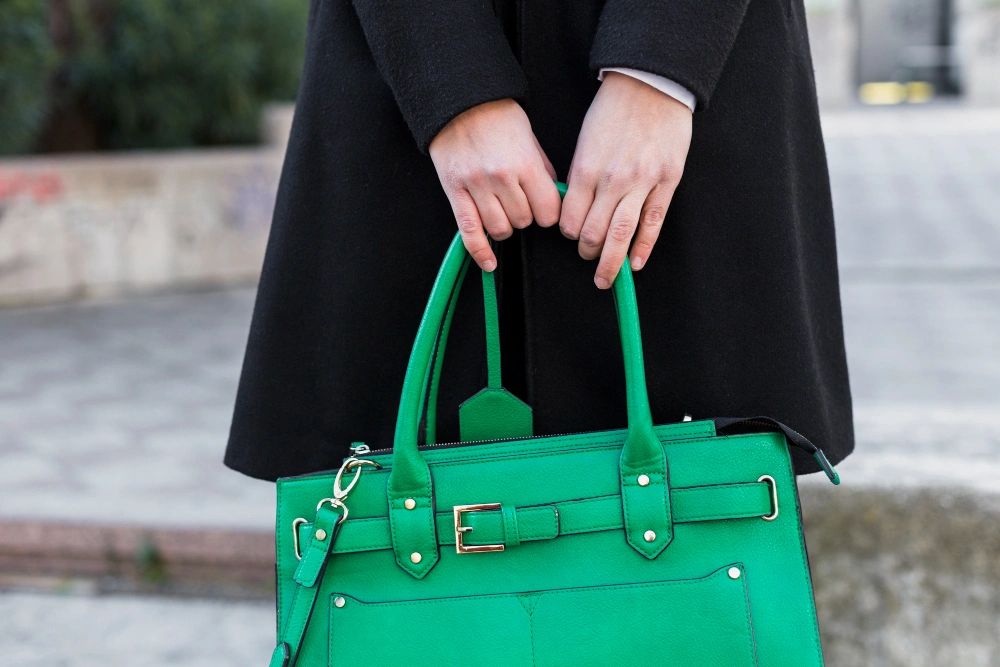
When we think about luxury and style, elite bags often come to mind as essential fashion staples. But have you ever paused to wonder about their origins? In this article, we’re diving into the fascinating history of elite bags—from their early functional designs to the iconic status symbols they are today. Let’s take a stroll through time to discover how these bags became a hallmark of elegance and craftsmanship.
Historical Context
Before we delve into the specifics, it’s essential to understand that bags have been around for centuries. Their evolution tells a story about human ingenuity and the cultural shifts that have influenced fashion over time. Bags began as practical items designed to carry personal belongings but gradually transformed into symbols of luxury.
Bags Through the Ages
From the earliest pouches to today’s high-fashion pieces, bags have changed significantly. Each era brought its unique style, influenced by societal needs, technological advancements, and cultural movements. As we explore the origins of elite bags, you’ll see how they’ve adapted to reflect changing tastes and values.
Ancient Civilizations
Bags have existed since ancient times, often serving practical purposes. The materials and designs varied greatly depending on the culture and available resources.
Early Uses of Bags
In ancient Egypt, bags were typically made from woven reeds or animal hides, used to carry grains, tools, or personal belongings. These bags were not just functional; they also held cultural significance, often adorned with symbols or patterns that conveyed the wearer’s status.
Medieval Times
Fast forward to the Middle Ages, and we see bags evolve in both functionality and style. They started to take on new forms as trade and commerce flourished in Europe.
The Evolution of Bags in Europe
During medieval times, bags were often worn by men, commonly attached to their belts. These “pouches” were practical and essential for carrying coins and personal items. As fashion began to flourish, bags became more decorative, showcasing the wearer’s wealth and status.
Renaissance Influence
The Renaissance was a pivotal period for art and fashion, and bags were no exception. This era saw a blend of creativity and functionality that laid the groundwork for future designs.
Art and Fashion in Bag Design
With artists like Leonardo da Vinci influencing aesthetics, bags began to feature intricate designs and luxurious materials. Fabrics like silk and velvet became popular, and bags started to be seen as fashion accessories rather than mere functional items.
The Industrial Revolution
The Industrial Revolution marked a significant turning point in the production of bags. With advancements in technology, bag-making became more efficient, allowing for mass production.
Mass Production and Accessibility
Suddenly, bags were not just for the elite; they became accessible to the growing middle class. This democratization of fashion led to a boom in bag design, with various styles emerging to cater to different tastes and needs.
The Birth of Luxury Brands
As society evolved, so did the concept of luxury. The late 19th century marked the birth of iconic luxury brands that would shape the future of elite bags.
Icons of the Fashion World
Brands like Louis Vuitton and Hermès started to emerge, focusing on quality craftsmanship and timeless design. The introduction of monograms and signature styles helped these brands stand out, creating an aura of exclusivity that attracted affluent customers.
20th Century Developments
The 20th century brought about a revolution in fashion. With new materials, innovative designs, and the influence of celebrities, bags became essential accessories.
The Rise of the Designer Bag
As women’s roles in society began to shift, so did their fashion choices. The designer bag became a symbol of independence and empowerment, reflecting a woman’s status and style. Iconic designs, like Chanel’s 2.55 and the Birkin bag from Hermès, emerged during this time, solidifying the concept of luxury handbags.
Cultural Influences on Bag Design
As the world became more interconnected, cultural influences started to shape bag design. Designers began to draw inspiration from various cultures, leading to unique styles and trends.
Global Trends in Luxury Bags
From Asian-inspired designs to African prints, bags began to reflect a fusion of cultural elements. This diversity not only enriched the fashion landscape but also made elite bags more relatable and desirable across different demographics.
Materials and Craftsmanship
The quality of materials and the craftsmanship behind elite bags play a crucial role in their desirability. Each bag tells a story through the materials used and the hands that crafted it.
What Makes Elite Bags Unique
From luxurious leathers to exotic skins, the materials define the bag’s quality. Skilled artisans dedicate hours to create these masterpieces, ensuring that every stitch, seam, and detail meets the highest standards. This dedication to craftsmanship sets elite bags apart from mass-produced items.
The Role of Women in Bag Popularity
Women have played a significant role in the popularity of elite bags. As fashion icons and influencers, they have shaped trends and styles over the decades.
How Women Shaped Bag Trends
The connection between women and bags is undeniable. From Grace Kelly’s association with the Hermès Kelly bag to modern celebrities flaunting their designer collections, women have helped elevate bags to status symbols, showcasing their personal style and wealth.
Bags as Status Symbols
In the realm of fashion, bags often represent much more than just a means to carry belongings; they symbolize status, wealth, and taste.
The Connection Between Wealth and Bags
Owning an elite bag is often seen as a reflection of one’s social standing. The exclusivity associated with luxury brands makes them highly coveted items, leading many to consider them an essential part of their wardrobe.
Modern Interpretations
As we move into the 21st century, the definition of elite bags continues to evolve. Contemporary designs are pushing boundaries, embracing sustainability, and challenging traditional notions of luxury.
Contemporary Styles and Trends
Today’s elite bags come in various styles, from classic silhouettes to avant-garde designs. Brands are experimenting with innovative materials and sustainable practices, appealing to the environmentally conscious consumer without sacrificing style.
Sustainability in Elite Bags
With growing awareness about environmental issues, many luxury brands are making strides towards sustainability. The fashion industry is beginning to recognize the importance of eco-friendly practices in its production processes.
The Shift Toward Eco-friendly Materials
Brands are now sourcing sustainable materials, such as recycled leather and organic fabrics, to create bags that are not only stylish but also environmentally responsible. This shift reflects a broader trend in the industry, where consumers are increasingly prioritizing sustainability alongside luxury.
Conclusion
The history of elite bags is a testament to human creativity, craftsmanship, and cultural evolution. From their humble beginnings as practical items to becoming iconic symbols of status and luxury, bags have traveled an extraordinary journey. As we look to the future, it’s exciting to see how elite bags will continue to adapt, reflecting changing values and tastes in the world of fashion.
FAQs
1. What defines an elite bag?
An elite bag is characterized by its high-quality materials, exceptional craftsmanship, and association with luxury brands.
2. How did bags become symbols of status?
Bags became symbols of status through the association with luxury brands and celebrities, who popularized designer bags as essential fashion statements.
3. Are there eco-friendly options for elite bags?
Yes, many luxury brands are now offering eco-friendly bags made from sustainable materials, reflecting a commitment to environmental responsibility.
4. Who are the most influential designers in bag history?
Designers like Coco Chanel, Louis Vuitton, and Hermès have significantly influenced bag history with their iconic designs and craftsmanship.
5. How can I spot a genuine elite bag?
Look for quality craftsmanship, materials, and brand authenticity. Researching the brand’s specific features can also help you identify genuine products.