How to Spot a Fake Chanel Bag (2026 Expert Guide)
The Rising Threat of Counterfeit Luxury: Why Authenticity Matters More Than Ever in 2026
Luxury handbags have long been symbols of status, craftsmanship, and timeless style—but in 2026, the line between authentic and counterfeit is blurring faster than ever. With advances in replication technology and the surge of online marketplaces, fake Chanel bags are no longer easy to spot with a quick glance. In fashion-forward cities like Miami and Tampa, where luxury resale and consignment markets thrive, the risk of unknowingly purchasing a counterfeit has reached an all-time high. More than ever, buyers must become connoisseurs of detail, familiar with the subtle craftsmanship signatures that separate genuine Chanel pieces from expertly crafted fakes.
This growing counterfeit boom isn’t just a problem for brands—it’s a direct risk to consumers. Many find themselves out thousands of dollars, only to discover their “investment” piece holds zero resale value or fails after minimal use. Authentic Chanel handbags are engineered with precision: from hand-set quilting and serial-numbered authenticity cards to specific hardware weight and stitching symmetry. Recognizing these markers is no longer optional—it’s essential for anyone serious about luxury fashion.
In this guide, you’ll learn exactly what to inspect—from leather grain to logo alignment—and how to avoid the most common traps in both new and pre-owned markets. Whether you’re shopping online or in-store, these insights will equip you with the expertise to buy confidently and protect your investment.
The Timeless Craftsmanship Behind True Luxury: Why Heritage Matters
Luxury handbags, particularly iconic styles coveted in fashion capitals like Miami and Tampa, are more than accessories—they’re heirlooms built on over a century of design evolution and meticulous craftsmanship. Understanding the legacy of houses like Chanel begins with recognizing how traditional techniques, material integrity, and consistent design language contribute to long-term authenticity and value. These pieces are born from a philosophy where every stitch, quilt, and curve serves a purpose, setting the standard by which all imitations are measured.
Chanel’s hallmark traits—including hand-stitched 24-quilted patterns, perfectly aligned logo hardware, and use of lambskin or caviar leather—are the result of rigorous atelier standards developed in Parisian workshops. Authentic pieces reflect symmetry, balanced proportions, and hand-finished edges that mass-produced replicas simply can’t replicate. Even small details—like the weight of the chain, depth of the quilting, or the way the flap opens—reveal whether a bag honors its heritage or fakes it.
For buyers, recognizing genuine craftsmanship starts with education:
- Study the evolution of iconic silhouettes—changes in shape, size, or hardware over decades are well-documented
- Learn to identify authentic materials: real Chanel lambskin has a soft, pebbled texture that ages uniquely
- Examine construction—hand-bagging techniques leave subtle imperfections that signal authenticity
In coastal climates, where heat and humidity impact leather aging, understanding material performance adds another layer to informed purchasing. True luxury isn’t just about appearance—it’s built to endure.
5 Telltale Signs Your Chanel Bag Is the Real Deal
When investing in timeless luxury, verifying authenticity isn’t just about confidence—it’s about protecting value. In high-demand markets like Miami and Tampa, where counterfeit replicas are increasingly sophisticated, knowing how to inspect the craftsmanship of a Chanel bag can make all the difference. Here are five essential physical indicators to examine before finalizing a purchase.
1. Precision of the Quilting Pattern
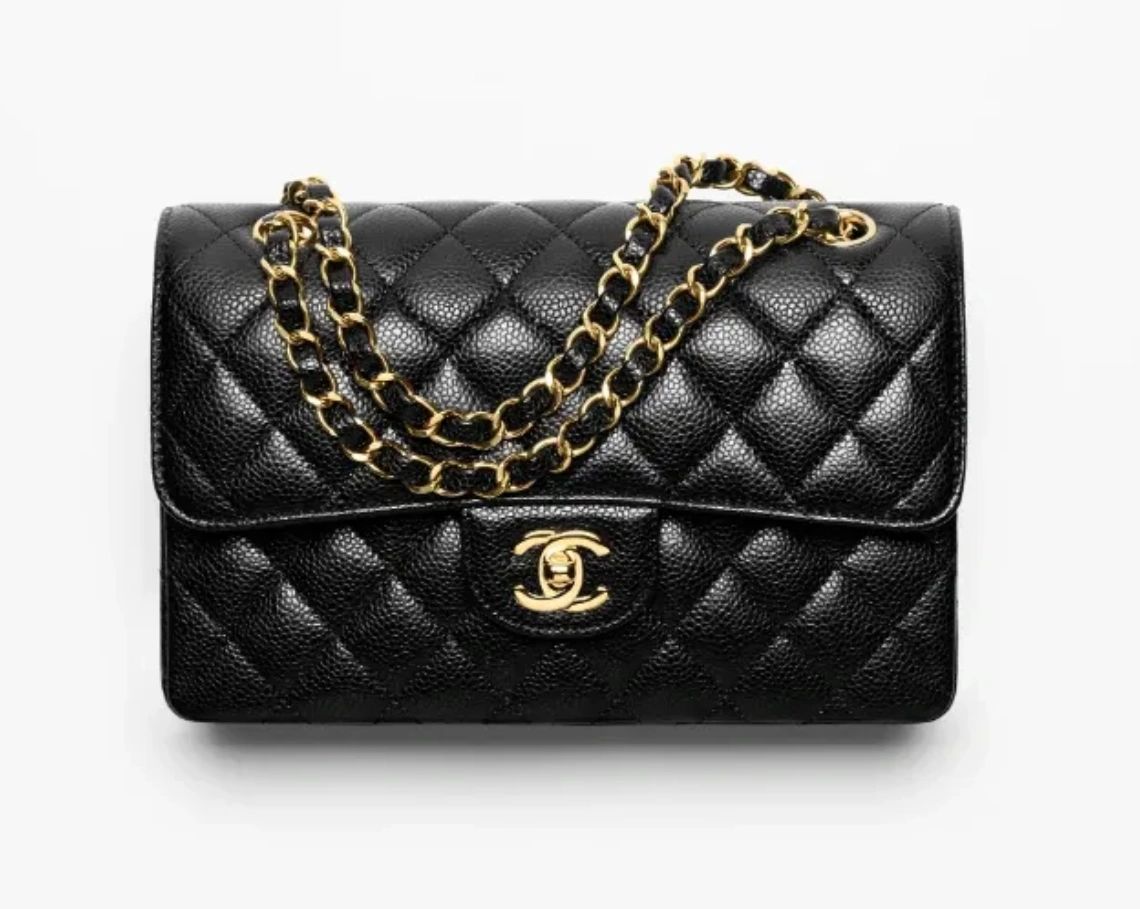
Authentic Chanel bags feature perfectly symmetrical, evenly spaced diamond quilting. The depth and consistency of the stitching are hallmarks of precision machinery and expert handwork. On fakes, the pattern is often misaligned or distorted, especially near zippers or corners. Run your fingers over the surface—the real piece will feel structured yet supple, with no irregular puffing or flattening between stitches.
2. Quality and Weight of the Hardware
Genuine Chanel hardware has substantial heft, crafted from high-grade alloys that resist tarnishing. Logos on zippers, chains, and turn-lock clasps are deeply engraved, not stamped or painted. Counterfeit versions often use lightweight metals with blurry detailing or uneven plating. Test the closure mechanism—a real Chanel flap opens and latches smoothly, with clear auditory feedback.
3. Stitching: Tight, Even, and Hand-Finished
Inspect the seams closely: authentic Chanel bags use tight, straight stitches at a consistent tension—typically seven to nine stitches per inch. The thread is waxed and color-matched precisely. Machine-stitched imperfections or fraying are immediate red flags. Genuine pieces may include subtle hand-finished details invisible to the untrained eye.
4. Authenticity of the Logo and Stamp
The Chanel logo is never stamped—it’s precision-milled into metal components. On leather pieces, check the interior for a date stamp with a two-letter code indicating year and season. These codes follow a strict rotation known to experts. Fakes often use outdated, inconsistent, or mirrored codes. The shape and spacing of the double-C logo should be perfectly circular and aligned—any deviation suggests reproduction.
5. Material Integrity: Leather, Fabric, and Lining
Authentic Chanel uses premium lambskin, caviar leather, or tightly woven canvas with a flawless finish. The interior lining is made from high-gloss saffiano or silk-blend materials that resist peeling. Fake bags often use synthetic fabrics that crack or feel plasticky. Examine the edges of the leather for clean, hand-painted finishes—uneven coloring or glue residue points to mass production.
Being able to identify these details not only protects your investment but ensures you’re carrying a piece engineered for longevity and legacy.
Decode the Truth: A Step-by-Step Guide to Authenticating Chanel Handbags
Authenticating a Chanel bag requires precision, knowledge, and a methodical approach—especially when shopping pre-owned. Whether you’re browsing online marketplaces or visiting resale boutiques in Miami or Tampa, following these steps will help you confidently verify authenticity and avoid costly fakes.
- Locate and Interpret the Date Code
- Chanel date codes are found inside pockets or stamped on leather tags. Older bags (pre-2008) feature 2-digit letter-number combinations indicating year and manufacturing site. Newer models use 4-digit codes (e.g., “17” for 2017, “21” for 2021), with letters denoting factory location.
- Tip: A missing, mismatched, or poorly stamped code is a major red flag.
- Use Reputable Authentication Services
- Submit high-resolution photos of the bag—including hardware, stitching, serial sticker, and interior lining—to certified third-party authentication platforms. Many services offer same-day verification for resale transactions.
- Best Practice: Choose platforms that employ industry-trained authenticators with experience in luxury maison protocols.
- Inspect Key Authentication Markers
- Examine the quilting symmetry, leather consistency, and CC logo alignment. Authentic Chanel bags have perfectly centered logos, consistent stitch spacing (typically 7–8 stitches per inch), and structured linings with flawless seams.
- Pro Tip: Compare your bag’s features to archived examples from official Chanel collections using trusted fashion databases.
- Buy Pre-Owned with Confidence
- Prioritize sellers who provide full provenance, including original box, dust bag, and authentication letter. In local luxury hubs like Miami, in-person inspections at trusted consignment shops add an extra layer of assurance.
- Reminder: Even used bags should show minimal wear on hardware and edges—excessive tarnishing or glue residue suggests inauthenticity.
Trust the process—not just the price tag—when investing in timeless luxury.
Red Flags to Watch: Avoiding Costly Mistakes When Buying Chanel Bags Online
Purchasing a luxury handbag online can be thrilling, but it’s also ripe with risks—especially when authenticity isn’t guaranteed. For buyers in major fashion markets like Miami and Tampa, where designer demand runs high, recognizing early warning signs is crucial to avoiding counterfeit scams. The most common mistake? Focusing solely on price and ignoring the telltale clues that distinguish real from replica.
One major red flag is too-good-to-be-true pricing. Genuine Chanel bags maintain strong market value, and deep discounts from unauthorized sellers often signal fraud. Another critical misstep is skipping authentication verification. Reputable sellers provide clear, high-resolution images of the serial sticker, authenticity card, and hardware details—never rely on vague descriptions or low-quality photos.
Watch for inconsistencies in packaging: authentic Chanel comes with a dedicated dust bag, box with matching serial tags, and protective plastic on hardware. Missing or mismatched components are serious red flags.
Buyers also commonly overlook the importance of seller history. Always check reviews, business tenure, and return policies—especially on third-party platforms. If a seller refuses video verification or pushes for off-platform transactions, walk away.
Ultimately, protecting your investment means doing due diligence before clicking “buy.” When in doubt, consult a professional authenticator—your future resale value depends on it.
Your Top Questions on Chanel Bag Authenticity, Value & Care
How can I tell if a Chanel bag is authentic?
Spotting a genuine Chanel bag starts with examining construction details. Look for precise, even quilting with consistent spacing—off-kilter patterns are a red flag. The serial number sticker inside should use non-adhesive tape and contain a randomized alphanumeric code specific to the production year. Authentic Chanel hardware has a subtle weight and shine, never appearing overly bright or flimsy, and engravings on zippers or logos are crisp and deeply etched.
Does Chanel hold its resale value?
Yes, particularly for classic styles like the 2.55, Classic Flap, and certain Limited Editions. In fashion markets such as Miami and Tampa, where luxury resale thrives, well-preserved pieces from iconic lines often resell at or near retail value. Scarcity, material (like caviar leather or aged gold hardware), and original packaging all contribute to higher demand.
What should I inspect when buying pre-owned?
Always check the interior lining for tears, fading, or mismatched fabric. Look for wear on the chain’s protective lacquer and ensure the leather trim is even and intact. The date code corresponds to the season and year—learning to decode this helps verify authenticity and aging. Avoid pieces with over-conditioned vachetta, a sign of attempted restoration.
How do I care for a Chanel bag long-term?
Store it upright with a soft cloth inside to maintain shape. Avoid plastic bags—opt for breathable cotton dust bags instead. In humid climates, use silica packets to deter moisture. Clean the exterior gently with a microfiber cloth; never use household cleaners on leather or hardware.
Can light wear affect resale value?
Minor wear is expected, but excessive scratching, tarnished hardware, or stained linings sharply reduce value. Bags with full accessories—dust bag, authenticity card, box—are more desirable. Regular rotation and proper storage help preserve condition.
Is now a good time to sell my Chanel bag?
If you own a sought-after style in excellent condition, 2026 remains a strong year for resale. Demand in urban luxury markets continues to grow, especially for vintage and rare colorways. Ensure your bag is authenticated before listing.
How often should I service my Chanel bag?
Professional maintenance every 12–18 months keeps hardware polished and stitching secure. Re-lacing or chain repair at authorized services preserves integrity, especially for frequently used pieces.
Invest with Confidence: Your Guide to Authentic Luxury in 2026
Owning an authentic Chanel bag isn’t just a fashion statement—it’s a commitment to craftsmanship, heritage, and long-term value. As counterfeiters grow more sophisticated, especially in high-demand markets like Miami and Tampa, knowing how to verify authenticity ensures your investment remains secure and meaningful. From precise stitching and hardware weight to logo symmetry and material integrity, every detail tells a story. The most valuable lesson? Timeless design outlasts trends. Iconic styles like the Classic Flap or Boy Bag maintain desirability not because they’re flashy, but because they’re built to endure—both physically and stylistically.
To shop with confidence in 2026, follow these steps:
- Educate yourself on current authentication markers, including date codes and serial stickers used in recent production runs.
- Inspect in person whenever possible, paying close attention to quilting density, leather texture, and metal finish.
- Purchase from reputable sources that offer verified authentication, whether buying pre-owned or new.
- Keep documentation and original packaging—these support provenance and boost resale appeal.
True luxury lasts beyond a season. By focusing on authenticity, quality, and personal resonance, you build a collection that reflects both taste and intelligence. Explore trusted curation on your website to discover pieces that stand up to scrutiny—because when you invest in genuine craftsmanship, you’re not just buying a bag, you’re securing a legacy.