The Psychology Behind Luxury Bag Obsession: Why We Can’t Resist
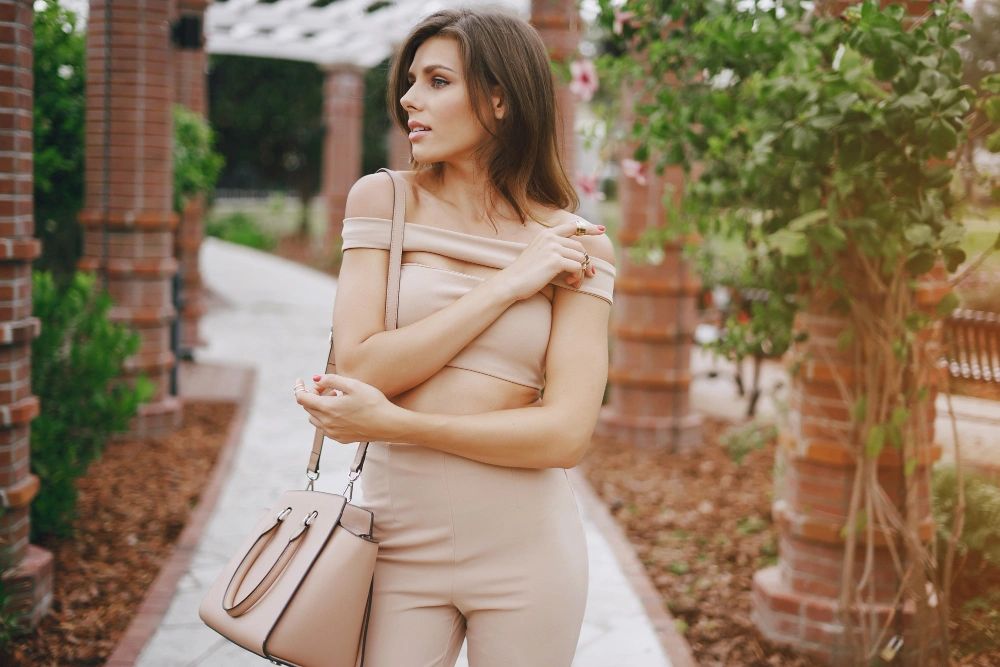
The Historical Evolution of Luxury Bags
Have you ever wondered how a humble pouch evolved into a $10,000 status symbol? Let’s rewind time.
From Functionality to Status Symbol
Centuries ago, bags were purely practical—think medieval peasants carrying cloth sacks. Fast-forward to the Renaissance, and suddenly, ornate purses became a display of wealth. By the 20th century, brands like Louis Vuitton and Gucci transformed bags into wearable art, blending craftsmanship with storytelling.
Iconic Brands and Their Legacy
Names like Hermès and Chanel didn’t just sell bags; they sold dreams. The Hermès Birkin, born from a chance encounter with Jane Birkin, or Coco Chanel’s quilted 2.55—each design carries a narrative that transcends leather and stitches.
Psychological Drivers of Luxury Bag Obsession
Why do we crave these items irrationally? Let’s dig into the mind.
The Role of Self-Esteem and Identity
Your bag isn’t just an accessory—it’s a mirror of your identity. Carrying a Prada tote might scream, “I’ve made it!” Psychologists call this “symbolic self-completion”—using possessions to fill gaps in self-perception.
Emotional Attachment to Possessions
Ever felt a pang of loss when your favorite bag gets scratched? That’s the endowment effect—we value things more once we own them. Luxury bags become extensions of our memories and milestones.
The Scarcity Principle and Exclusivity
Hermès Birkins are famously hard to buy. Why? Scarcity fuels desire. Brands like Rolex and Rolex use limited editions and waiting lists to create artificial rarity, making us chase what we can’t easily have.
Limited Editions and Waiting Lists
Imagine craving a bag for years, finally getting it, and feeling that rush—that’s scarcity in action. It’s not just a bag; it’s a trophy of patience and persistence.
The Dopamine Effect: Neurological Rewards
Buying a luxury bag isn’t rational—it’s biochemical. When you unbox that Tiffany-blue bag, your brain releases dopamine, the “feel-good” hormone. It’s the same high gamblers get—except your “jackpot” is a receipt.
Social and Cultural Influences
We’re social creatures, and luxury bags are our tribal tattoos.
Social Media and the Fear of Missing Out (FOMO)
Scrolling through Instagram, you spot a friend’s new Dior Saddle Bag. Suddenly, your trusty tote feels… meh. FOMO isn’t just a buzzword—it’s a $300 billion driver of luxury sales.
Instagram Aesthetics and Influencer Culture
Influencers aren’t just selling bags; they’re selling lifestyles. A single post with a Bottega Veneta clutch can make thousands think, “I need that to be happy.”
Celebrity Endorsements and Aspirational Living
When Rihanna carries a vintage Fendi, sales spike. Why? We don’t buy bags—we buy proximity to fame. It’s like carrying a piece of Hollywood in your hand.
The Neuroscience Behind the Obsession
Your brain on luxury? It’s a fireworks show.
Brain Regions Activated by Luxury Purchases
fMRI studies show that splurging on luxury lights up the prefrontal cortex (decision-making) and nucleus accumbens (reward center). Translation: Your brain treats a new bag like a delicious meal.
The Role of Dopamine in Consumer Behavior
Dopamine doesn’t just reward you—it addicts you. Each purchase trains your brain to crave more, turning bag shopping into a cycle of highs and cravings.
Economic Factors and Investment Value
Surprise—some bags appreciate faster than stocks.
Luxury Bags as Financial Assets
A Chanel Classic Flap bought in 2000 for 1,850now resells for 10,000. Unlike cars, which depreciate, certain bags are Veblen goods—demand rises with price.
The Resale Market Boom
Platforms like The RealReal turn closets into stock portfolios. A 2023 report found the luxury resale market is worth $50 billion—proof that pre-loved is now prestige.
Platforms Like The RealReal and Vestiaire Collective
Selling your Gucci Marmont isn’t just decluttering—it’s a side hustle. These platforms authenticate, price, and market your bag, making luxury liquid.
Ethical Considerations and Sustainability
Luxury isn’t all glitter—it’s got a dark side.
The Environmental Impact of Luxury Production
Leather tanning pollutes waterways, and exotic skins raise ethical flags. A single calfskin bag can require 1,000 liters of water to produce.
Ethical Consumerism in the Luxury Market
Millennials and Gen Z demand change. Brands like Stella McCartney lead with vegan leather, while others adopt carbon-neutral practices.
Vegan Leather and Eco-Friendly Alternatives
Mushroom leather? Apple peel bags? Innovation is redefining luxury, proving ethics and elegance can coexist.
The Future of Luxury Bag Consumption
What’s next for our bag obsession?
Trends Shaping the Next Decade
Expect personalization (monogram your heart out) and tech integration (bags with built-in chargers). Sustainability will shift from trend to standard.
The Rise of Secondhand and Vintage Markets
Thrifting isn’t just for hipsters—vintage Hermès is the new flex. By 2030, 20% of luxury sales may be secondhand, says Bain & Company.
Conclusion: Understanding the Allure
Luxury bag obsession isn’t vanity—it’s a cocktail of psychology, society, and neuroscience. Next time you eye that Loewe puzzle bag, remember: You’re not just buying leather; you’re buying a story, a status, and a serotonin spike.
FAQs
1. Why are luxury bags so expensive?
They combine rare materials, craftsmanship, and brand prestige. You’re paying for the name as much as the product.
2. Can owning a luxury bag improve self-esteem?
Temporarily, yes—it’s called the “halo effect.” But lasting self-worth comes from within, not a logo.
3. How does social media influence luxury bag obsession?
Platforms create endless comparison loops, making luxury feel like a necessity to “keep up.”
4. Are luxury bags a good investment?
Some are—research models with historical value. But treat it as a passion purchase first, investment second.
5. What are the ethical issues with buying luxury bags?
Environmental harm, animal welfare concerns, and labor practices. Opt for brands with transparent, sustainable practices. why buy luxury bags the psychology of designer handbags psychology of designer handbags